
Table of Contents
Introduction
Finding extra strands on your pillow, in the shower drain, or stuck to your hairbrush can feel scary. You are not alone, and you are not imagining it. Hair loss in women is far more common than most people think, yet it is rarely talked about openly. The first thing to know is that losing some hair every day is normal. The problem starts when the shedding feels heavy, your ponytail looks thinner, or your scalp begins to show. This guide breaks down the real reasons behind it and the kind of hair fall treatment for women that genuinely works.
The aim here is simple. We want to help you understand what is happening to your hair before you spend money on random products or panic about going bald. Female hair loss usually has a clear cause, and once you find that cause, the right hair fall treatment for women becomes much easier to choose.
Is It Normal to Lose Hair Every Day?
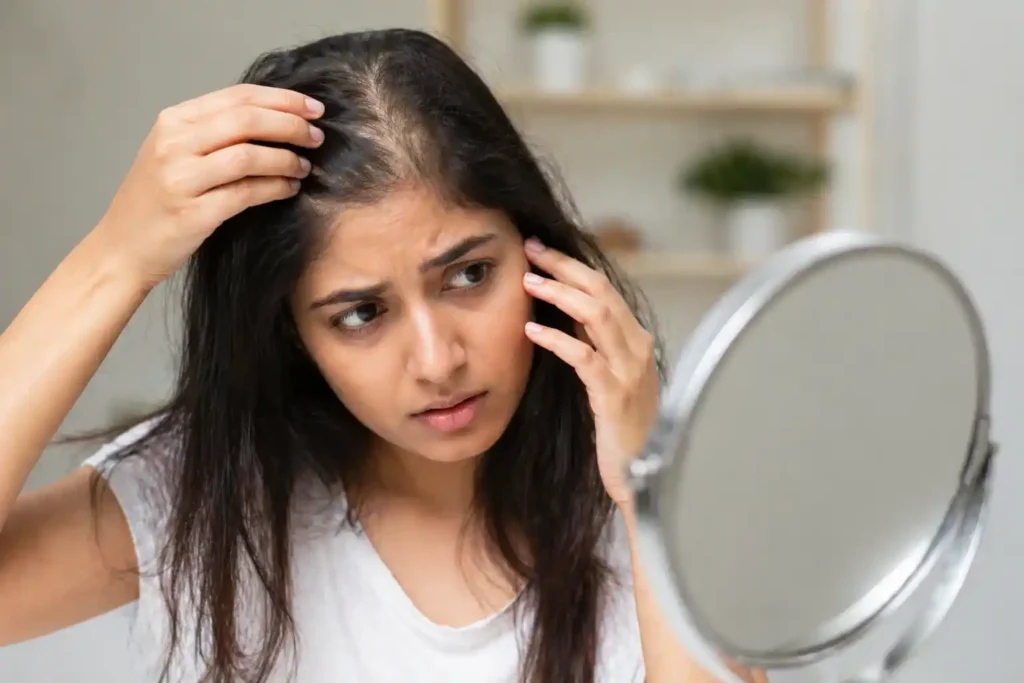
Yes, it is. On an average day, a healthy person loses around 50 to 100 hairs. These strands fall out naturally, and new ones grow in their place. Therefore, finding a few hairs on your comb is not a cause for concern. The concern begins when you notice clumps coming out, a widening part line, or a scalp that feels more visible than before.
Hair grows in cycles. Each strand goes through a growth phase, a resting phase, and a shedding phase. When something disturbs this cycle, more hairs enter the shedding phase at once, and that is when hair thinning becomes obvious. Understanding this simple cycle helps you stay calm and act wisely instead of reacting in fear.
Common Causes of Hair Fall in Women
Hormonal Changes
Thyroid and PCOS
Diet and Nutrition Gaps
Stress and Daily Lifestyle
Harsh Hair Care Habits
Common Types of Hair Loss in Women
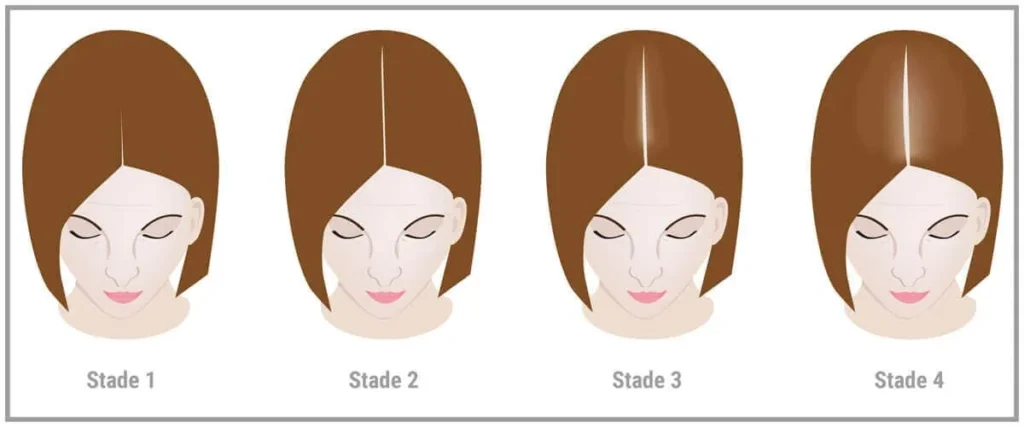
Not all shedding appears identical, and understanding the type aids you and your doctor in selecting the appropriate course of action. The most common pattern is female hair loss, where the hair slowly thins along the top and the part line widens over the years. It often runs in families and tends to show up with age.
Another common type is the sudden, all-over shedding linked to stress, illness, or childbirth. This kind usually settles once the trigger passes and the body recovers. A third type appears as smooth, round bald patches and may need medical attention sooner. Because these patterns look and behave differently, a good hair fall treatment for women is never one-size-fits-all. What helps a friend may not suit you, which is exactly why a proper diagnosis matters before starting anything.
Treatments That Actually Work
Medical and Clinic-Based Options
For many women, the most reliable hair fall treatment for women comes from a qualified expert rather than a shelf in a store. A trained dermatologist or trichologist first finds the root cause, then suggests a plan made for your scalp. Common clinic-based options include:
- Minoxidil: A well-studied topical solution that helps wake up resting follicles and supports new growth.
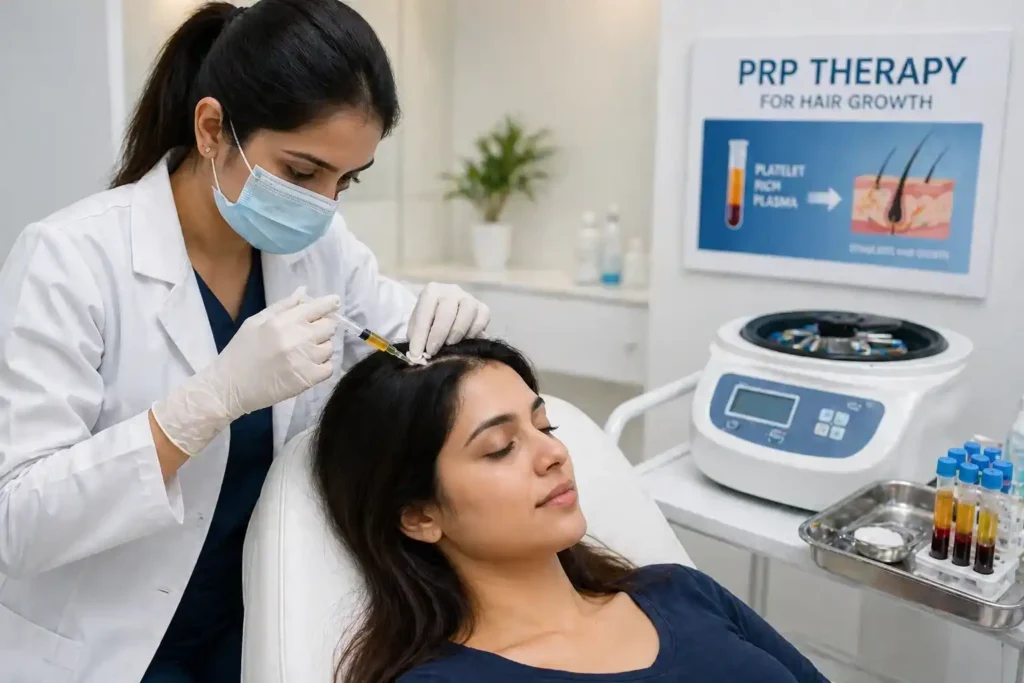
- PRP therapy: Your blood platelets are used to nourish the scalp and strengthen weak hair roots.
- Treating the root cause: Resolving thyroid issues, iron deficiency, or a hormonal imbalance often improves hair on its own.
These treatments work best when started early and followed with patience. A proper hair fall treatment for women usually shows visible results over a few months, not overnight, so steady effort matters more than quick fixes.
Everyday Care and Healthy Habits
Alongside any medical plan, your daily routine plays a big role in how your hair recovers. A balanced diet rich in protein, leafy greens, nuts, and seeds gives your follicles the nutrients they crave. Staying hydrated, sleeping well, and managing stress through walks, yoga, or simple breathing breaks can all support healthier hair growth.
Be gentle with your strands as well. Use a mild shampoo, avoid scrubbing the scalp too hard, and let your hair air dry when possible. Loosen tight ponytails and give your hair regular breaks from heat tools. These small habits will not undo a medical cause on their own, but they protect the progress you make with a proper hair fall treatment for women and prevent further breakage.
When Should You See an Expert?
It is wise to consult a professional when your hair loss feels sudden, patchy, or simply will not slow down. You should also seek help if shedding comes with other signs like an itchy scalp, redness, or changes in your periods and energy levels. The earlier you act, the easier it is to protect your remaining hair and bring back density.
A common mistake is to keep switching products bought online, hoping one will finally work. This often wastes time and money while the real cause goes untreated. A short consultation can save you months of guesswork by pointing you toward the right hair fall treatment for women from the very start.
Take the First Step with Bliss Dr. Babariya
If your hair fall is bothering you and you are tired of trying things that do not help, expert guidance can change everything. At Bliss Dr. Babariya in Surat, led by Dr. Jigar Babariya, the focus is on finding the true cause of your hair loss and building a safe, personalized plan around it. With over 15 years of clinical experience, advanced and approved technology, and honest advice with no false promises, you get care you can actually trust.
Whether you need a simple checkup or a complete hair fall treatment for women designed for your scalp, the team is ready to help you feel confident about your hair again. Book a consultation with Bliss Dr. Babariya today and take the first real step toward stronger, healthier hair.
Final Thoughts
Hair shedding can feel personal and stressful, but in most cases, it has a clear reason and a clear answer. By understanding the cause, caring for your hair gently, and choosing the right hair fall treatment for women with expert support, you give yourself the best chance to recover your density and confidence. Your hair tells a story about your overall health, so listen to it early, act calmly, and reach out for help when you need it.
If you are ready for honest advice and a plan built around your scalp, book your consultation with Bliss Dr. Babariya in Surat today and give your hair the expert care it deserves.