
Table of Contents
Introduction
Almost everyone deals with a skin or hair concern at some point, whether it is stubborn acne, patchy pigmentation, sudden hair fall, or a scalp that just will not behave. When home remedies and over-the-counter products stop working, the natural next step is to look for a skin and hair treatment clinic that can offer real, lasting solutions. The problem is that today there are more clinics than ever, and not all of them offer the same level of expertise, hygiene, or personalised care. Picking the right skin and hair clinic is not just about convenience or price, it directly affects how safe, effective, and comfortable your treatment journey will be. This guide walks you through everything you should know before you commit to a clinic, so you can make a decision based on facts rather than advertising.
Common Skin and Hair Concerns That Bring People to a Clinic
Before choosing a skin and hair treatment clinic, it helps to understand what kind of concerns actually need professional attention rather than home care. Most people who visit a skin care treatment clinic or a hair specialist are dealing with issues that have either persisted for months or started affecting their confidence.
Common Skin Concerns
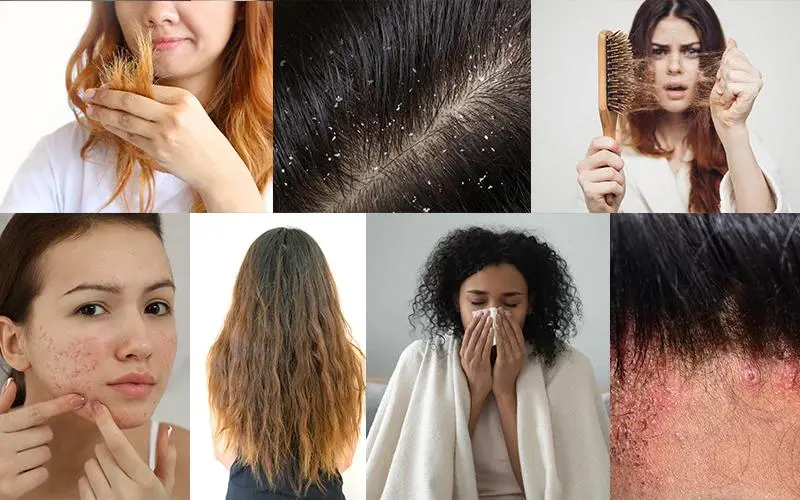
Acne and acne scarring are among the most frequent reasons people seek professional help, especially when over-the-counter creams fail to control breakouts. Pigmentation, dark spots, uneven skin tone, and early signs of ageing such as fine lines are also common triggers for a clinic visit. Many people additionally look for treatments related to sun damage, dullness, or textural issues that need more targeted, in-clinic solutions than a regular skincare routine can offer.
Common Hair & Scalp Concerns
On the hair side, thinning hair, excessive hair fall, and visible hair loss are the most searched concerns, often linked to stress, hormonal changes, or nutritional gaps. Dandruff, an itchy or oily scalp, and slow hair growth are also common reasons people consult a hair treatment clinic rather than continuing to experiment with random products at home.
Why Choosing the Right Clinic Matters
Skin and hair are sensitive, and the wrong treatment can do more harm than good. An unqualified practitioner might misdiagnose a condition, recommend an aggressive treatment that is not suited to your skin type, or use outdated techniques that increase the risk of scarring, infection, or allergic reactions. Beyond the physical risk, there is also a financial and emotional cost involved repeated visits to the wrong clinic, ineffective treatments, and the frustration of not seeing results can be far more expensive than doing proper research upfront. This is exactly why choosing a reliable skin and hair treatment clinic the first time matters so much, especially for concerns that are chronic or recurring.
Key Factors to Consider When Choosing a Skin and Hair Treatment Clinic
Once you know what you are dealing with, the next step is evaluating clinics on a few essential parameters rather than just their advertisements or location.
Doctor's Qualifications & Clinic Accreditation
The single most important factor is who is actually treating you. A qualified dermatologist or trichologist with relevant experience will be able to diagnose the root cause of your concern rather than just treating the surface symptoms. It is worth checking whether the doctors are registered with recognised medical councils and whether the clinic itself follows standard accreditation and safety protocols. A genuine dermatology and hair clinic will usually be transparent about its doctors’ qualifications and will not hesitate to share this information when asked.
Technology, Treatment Range & Hygiene Standards
The equipment and technology used for treatments like laser hair removal, PRP therapy, or chemical peels can make a significant difference to both safety and results. A well-established skin and hair specialist clinic tends to invest in updated, FDA-approved or CE-certified machines rather than relying on outdated tools. Alongside technology, hygiene practices from sterilised instruments to clean treatment rooms are non-negotiable, since skin and hair treatments often involve direct contact with the skin surface or minor procedures.
Questions to Ask Before Choosing a Clinic
A short consultation, even before committing to treatment at any skin and hair treatment clinic, can tell you a lot about a clinic’s approach. It is reasonable to ask the doctor about their experience with your specific concern, what results you can realistically expect within a given timeframe, and whether there are any side effects or downtime involved. You can also ask to see before-and-after examples of similar cases they have treated, or genuine patient feedback, so you get a clearer picture rather than relying only on marketing claims.
How to Verify a Clinic's Credibility
Doing a little homework before your first visit to a skin and hair treatment clinic can save you from a lot of trouble later.
Checking Credentials & Registrations
It is worth confirming that the doctors are registered with the appropriate dermatology or medical council and that the clinic is properly licensed to operate. Most credible clinics list this information on their website or are happy to share it when you ask directly during a consultation.
Reading Reviews, Testimonials & Case Studies
Patient reviews on independent platforms, along with documented before-and-after case studies, offer a more honest picture of a clinic’s actual track record than promotional content alone. Consistent, detailed feedback about specific treatments rather than generic praise is usually a stronger indicator of a clinic’s real-world results.
Online vs. In-Person Consultation What to Expect
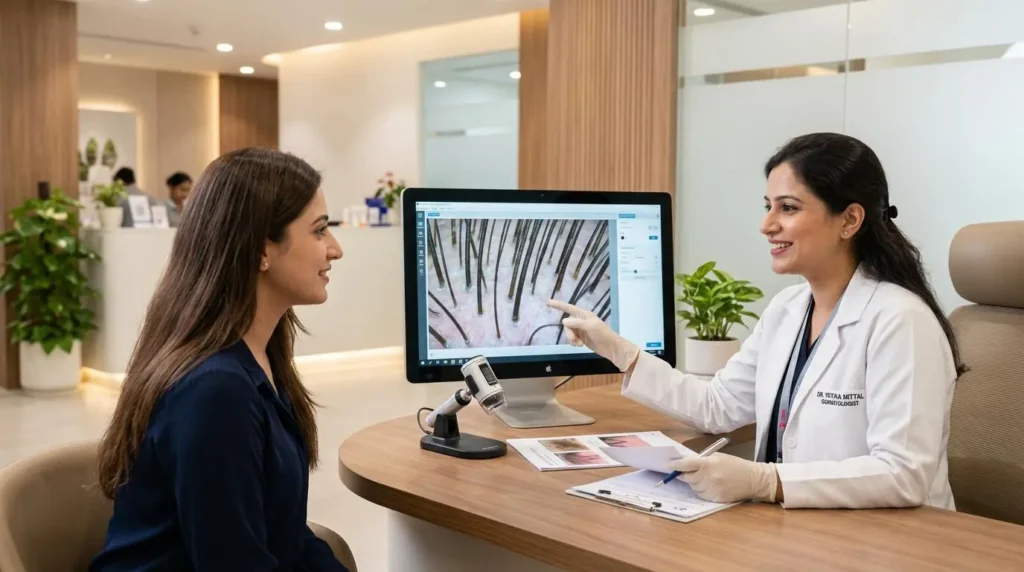
Many skin and hair treatment clinic providers now offer an initial online consultation before an in-person visit, which can be a useful first step to understand whether a particular treatment is even suitable for your concern. However, for most skin and hair procedures, an in-person consultation is important, since it allows the doctor to physically examine your skin or scalp, understand your medical history, and recommend a treatment plan tailored specifically to you rather than a generic protocol.
Conclusion
Choosing the right Skin and Hair Treatment Clinic is ultimately about balancing qualified expertise, transparent communication, proper hygiene standards, and a genuine, personalised approach to your concerns. Rushing this decision based on price alone or flashy advertisements can end up costing you more in the long run, both in terms of money and the health of your skin and hair. Taking the time to ask the right questions, verify credentials, and understand what a clinic actually offers will help you make a confident, informed choice. If you are looking for experienced specialists who prioritise safe, personalised care, you can book a consultation with Blissdrbabariya to discuss your specific skin and hair concerns