
Table of Contents
Introduction
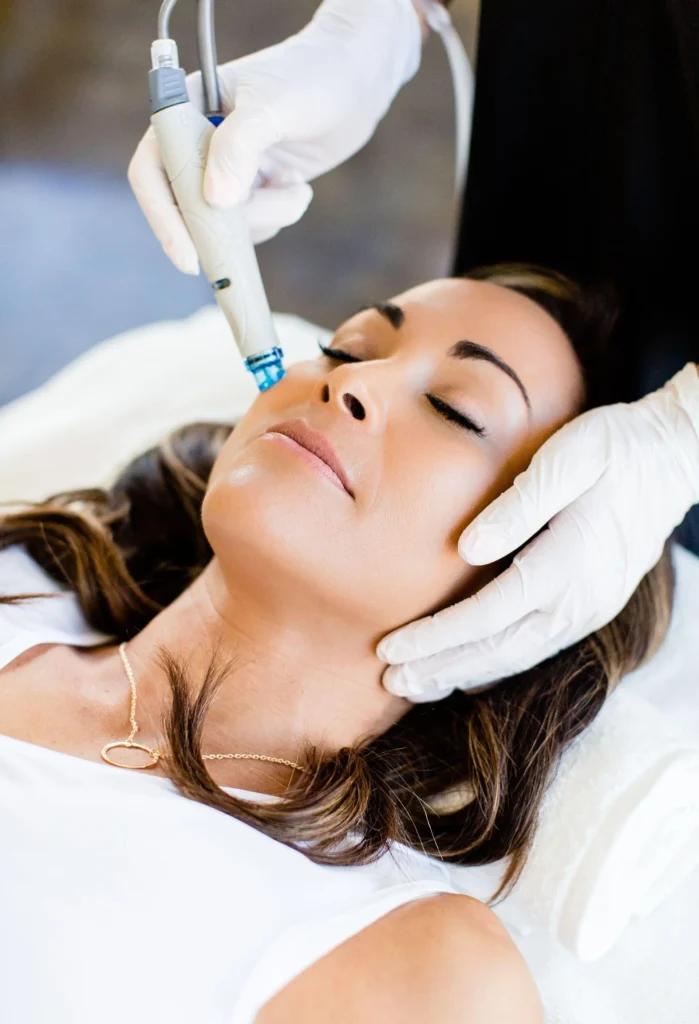
What Is a HydraFacial?
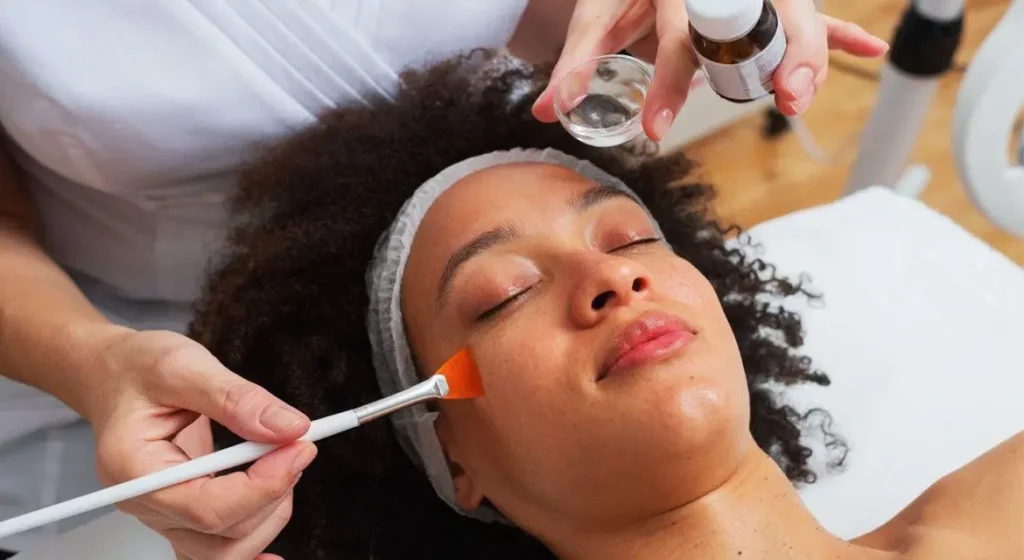
What Is a Chemical Peel?
A chemical peel, on the other hand, works quite differently. It involves applying a controlled chemical solution commonly glycolic acid, salicylic acid, or trichloroacetic acid to the skin, which causes the outer, damaged layer to exfoliate and eventually peel off. This process encourages the growth of newer, smoother skin underneath. Chemical peels are categorised into superficial, medium, and deep, depending on how far the solution penetrates. Superficial peels target mild pigmentation and dullness with almost no downtime, while medium and deep peels are more effective for stubborn acne scars, sun damage, or deeper wrinkles, though they come with a longer recovery period. Because the intensity varies so much, a dermatologist typically customises the peel type based on your skin’s tolerance and the concern being addressed a key factor to weigh when deciding between HydraFacial vs chemical peel for your first professional treatment. You can learn more about the different peel strengths we offer on our chemical peel treatment page.
HydraFacial vs Chemical Peel: Key Differences
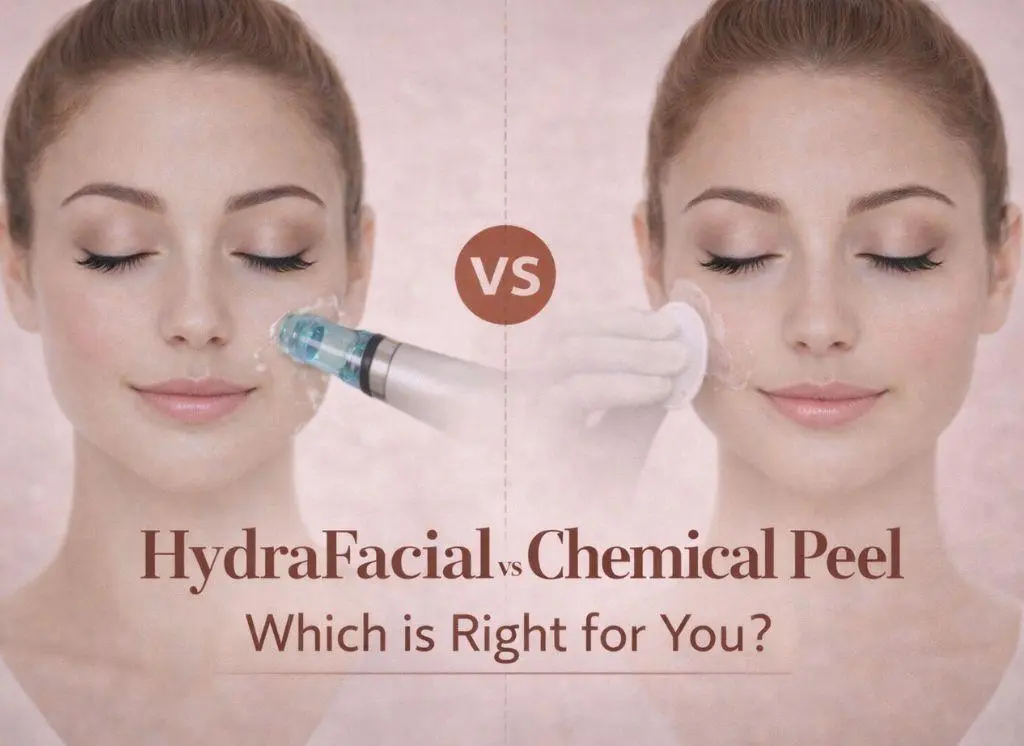
When comparing HydraFacial vs chemical peel side by side, the biggest distinction lies in intensity and how the skin responds afterward. A HydraFacial works at the surface level, gently cleansing and hydrating without disrupting the skin barrier, which makes it comfortable enough for almost any skin type, including sensitive skin. A chemical peel, depending on its strength, actively breaks down the outer skin layer, which means it can deliver more dramatic results for concerns like acne scarring or pigmentation, but it also requires more careful aftercare.
Downtime, Pain & Results Timeline
With a HydraFacial, most people walk out with visibly plumper, brighter skin the same day, and there’s little to no discomfort during the session. A chemical peel, in contrast, often involves a tingling or mild burning sensation while the solution sits on the skin, followed by visible peeling over the next few days for medium-to-deep peels. Results from a HydraFacial are instant but tend to fade gradually, requiring monthly touch-ups, whereas chemical peel results build progressively over one to two weeks as the skin sheds and regenerates.
Best Skin Type for Each
Sensitive, dry, or easily irritated skin generally tolerates a HydraFacial far better, since it avoids harsh exfoliating acids in high concentrations. Oily and acne-prone skin, or skin dealing with stubborn pigmentation and textural scarring, often responds more effectively to a chemical peel, provided it’s administered by a qualified professional who can select the right acid concentration. For persistent scarring or pigmentation, our acne scar and pigmentation treatment options can be paired with the right peel intensity.
Cost Comparison: HydraFacial vs Chemical Peel
Pricing for both treatments varies depending on the clinic, the practitioner’s expertise, and the specific formulation used. Generally speaking, a HydraFacial session tends to sit in the mid-range price bracket due to the specialised device and serums involved, while superficial chemical peels are often more affordable, with pricing increasing significantly for medium and deep peels because of the added expertise and aftercare required. It’s worth asking your clinic for a personalised quote based on your skin assessment rather than comparing prices online, since skin condition plays a big role in how many sessions you’ll actually need.
Safety, Side Effects & Aftercare
Both treatments are considered safe when performed by trained professionals, but the HydraFacial vs chemical peel aftercare routine differs quite a bit depending on which one you choose.
What to Expect Post-Treatment
After a HydraFacial, skin typically looks refreshed with minimal redness that settles within a few hours. Sun protection and gentle skincare are usually enough for aftercare. A chemical peel, especially medium or deep variants, requires more diligence strict sunscreen use, avoiding active ingredients like retinol for a few days, and letting the skin peel naturally without picking at it, since interrupting the process can lead to scarring or uneven pigmentation.
Who Should Avoid Each Treatment
People with active skin infections, open wounds, or certain inflammatory conditions like rosacea should consult a dermatologist before either treatment. Pregnant individuals are generally advised to avoid deeper chemical peels, and anyone using strong retinoids or undergoing isotretinoin treatment should inform their practitioner beforehand, as this can affect how the skin reacts to either procedure.

Can You Combine HydraFacial and Chemical Peel?
Many dermatologists actually recommend alternating between the two rather than choosing just one. A common approach involves using chemical peels periodically to address deeper concerns like pigmentation or acne scarring, while incorporating regular HydraFacial sessions in between to maintain hydration and keep the skin looking fresh. This combination approach often works well for people who don’t want to pick just one side of the HydraFacial vs chemical peel debate and instead prefer a balanced, long-term skincare routine. That said, your practitioner should always assess your skin’s current condition before recommending a combined treatment plan, since spacing between sessions matters for safety.
Conclusion
At the end of the day, the HydraFacial vs chemical peel decision comes down to your skin type, the specific concern you’re addressing, and how much downtime you’re comfortable with. If you want instant hydration and glow with zero recovery time, a HydraFacial is likely your best bet. If you’re dealing with deeper pigmentation, acne scarring, or textural issues and don’t mind a short recovery period, a chemical peel may deliver more noticeable, longer-lasting change. Whichever route you choose, getting a proper skin assessment beforehand makes all the difference. Book a consultation with Bliss Dr Babariya to get a treatment plan tailored to your skin’s actual needs, not just a generic recommendation.