
Table of Contents
Introduction
Ageing is a natural process, but the way our skin shows it often depends on genetics, lifestyle, and how early we start caring for it. If you have ever looked in the mirror and wondered why fine lines, dullness, or sagging seem to appear faster than expected, you are not alone. Choosing the right Anti-Aging Treatment can feel confusing with so many products and procedures being marketed online. This guide breaks down what actually causes skin ageing and which treatments, from simple daily habits to advanced skin rejuvenation treatment options, are genuinely backed by dermatology. Understanding your skin before starting any anti-aging skin treatment is the first step toward realistic, lasting results.

What Causes Skin Aging? Understanding the Basics
Skin aging happens in two ways. Intrinsic ageing is the natural, genetically programmed process that slows collagen and elastin production over time, regardless of how well you care for your skin. Extrinsic ageing, on the other hand, is caused by external factors such as sun exposure, pollution, smoking, and poor sleep, and it is usually responsible for the earlier, more visible signs of ageing like fine lines and pigmentation. Collagen and elastin are the proteins that keep skin firm and elastic; once their production declines, skin gradually loses volume and begins to sag. Common early signs include fine lines around the eyes, uneven skin tone, dryness, and a general loss of radiance. Recognising which of these factors is affecting your skin helps a dermatologist recommend the most suitable anti-aging treatment for your specific concerns rather than a one-size-fits-all approach.
How to Know Which Anti-Aging Treatment Is Right for You
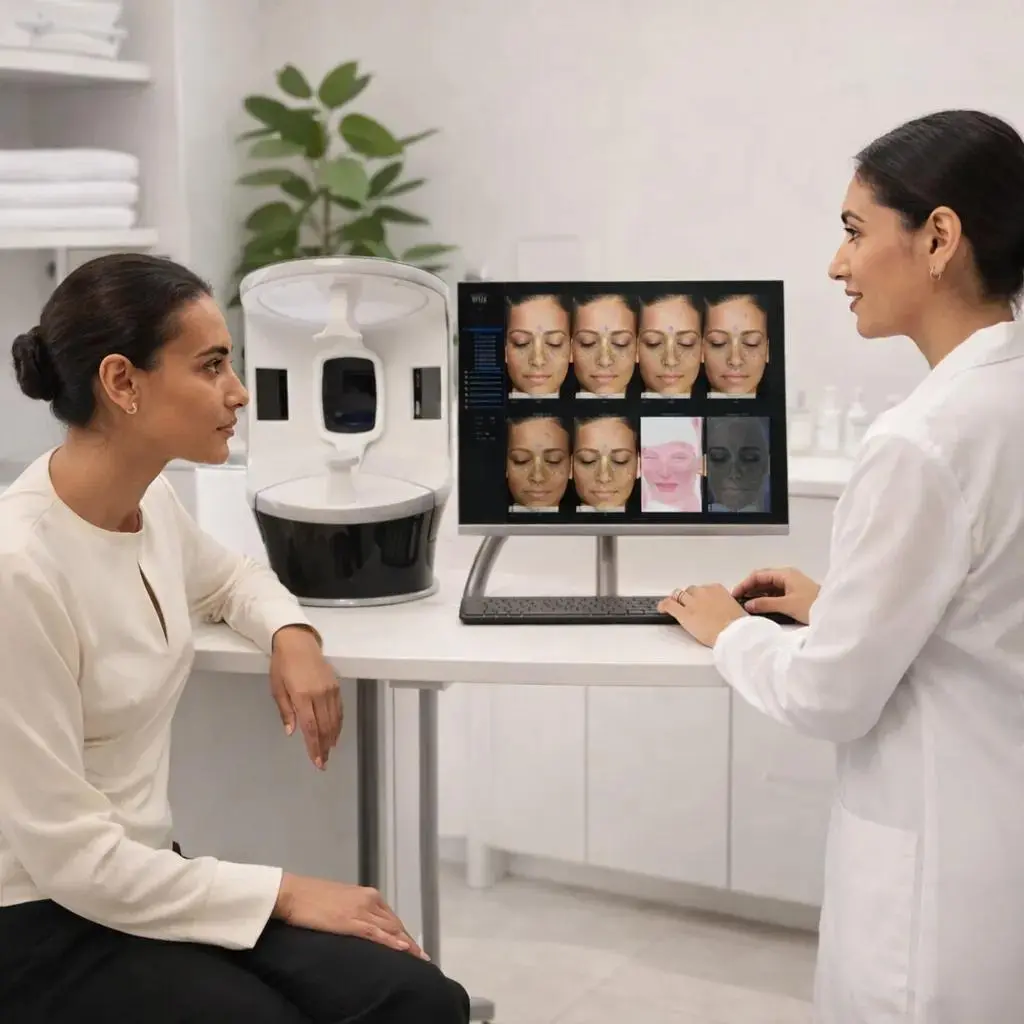
Not every skin type ages the same way, which is why a personalised approach matters more than following trends. Someone in their twenties dealing with early sun damage will need a very different plan compared to someone in their forties managing volume loss and deeper wrinkles. A dermatologist typically evaluates skin thickness, hydration levels, sun damage, and existing concerns before suggesting an anti aging treatment plan. For younger skin, prevention through sunscreen and antioxidants is often enough, while more mature skin may benefit from combining topical care with in-clinic procedures. This kind of assessment ensures that the anti aging treatment you choose actually addresses the root cause of ageing rather than just masking symptoms temporarily.
Non-Invasive Anti-Aging Treatments Dermatologists Recommend
For most people, an effective anti aging treatment journey starts with consistent, non-invasive care rather than immediate procedures.
Topical Actives: Retinol, Vitamin C, and Peptides
Retinoids remain one of the most researched ingredients in dermatology for stimulating collagen production and speeding up cell turnover, making them a cornerstone of any wrinkle reduction treatment. Vitamin C works alongside retinol as a powerful antioxidant that brightens skin and protects against free radical damage, while peptides help signal the skin to produce more collagen naturally. When used consistently and in the correct concentrations, these ingredients form the foundation of a long-term anti aging skin treatment routine that delivers gradual, sustainable improvement.
Sunscreen as Preventive Anti-Aging Care
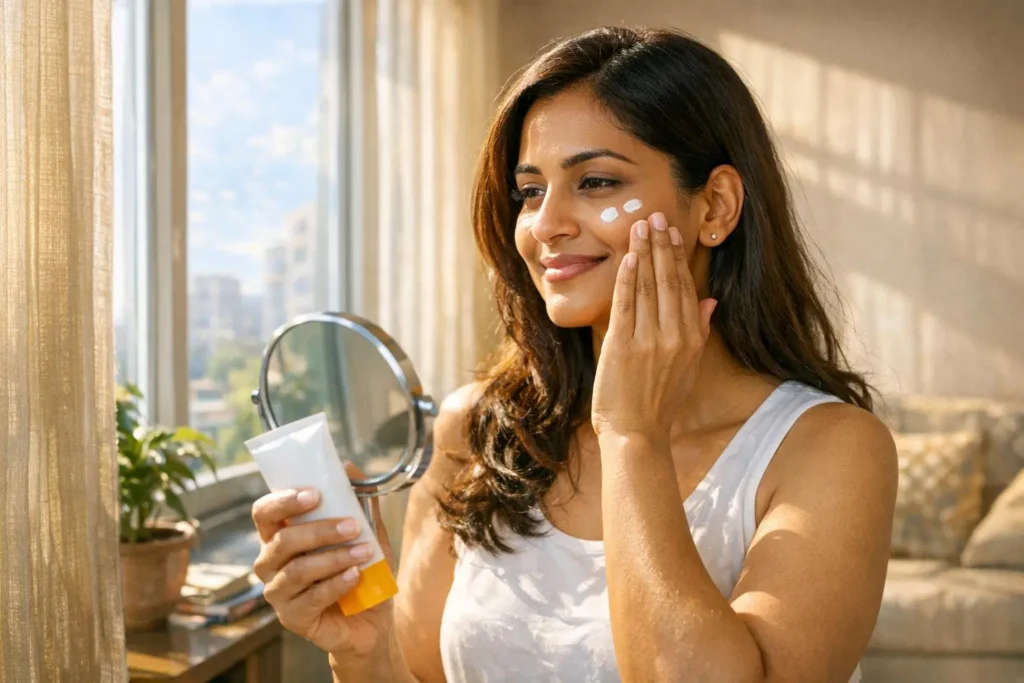
If there is one product dermatologists agree on universally, it is sunscreen. UV exposure is responsible for the majority of visible extrinsic ageing, including wrinkles, dark spots, and loss of elasticity. Daily broad-spectrum sunscreen, applied generously and reapplied throughout the day, is often considered the most effective and affordable anti-aging treatment available, simply because it prevents further damage from occurring in the first place.
Anti-Aging Treatment Myths vs. Facts
There are plenty of misconceptions around ageing skin that can lead people to make the wrong choices. One common myth is that expensive products automatically work better than affordable ones; in reality, the concentration and formulation of active ingredients matter far more than price. Another concern people often raise is whether these treatments cause long-term side effects. When performed by a qualified dermatologist and combined with proper aftercare, most in-clinic procedures are safe, though temporary redness or sensitivity is normal. It is also worth noting that no anti-aging treatment can completely stop the natural ageing process; the goal is to slow it down and manage its visible signs effectively.
Lifestyle Factors That Support Anti-Aging Treatment Results
No amount of skincare or in-clinic procedure works in isolation. Diet, hydration, and sleep all play a direct role in how skin repairs and regenerates itself overnight. A diet rich in antioxidants, along with adequate water intake, supports collagen production from within, while poor sleep has been linked to slower skin repair and a duller complexion. Chronic stress also raises cortisol levels, which can break down collagen faster than usual. Building these habits alongside professional care helps maintain and extend the results of any anti aging treatment for much longer.
When Should You See a Dermatologist for Anti-Aging Concerns?
While over-the-counter products can help with early prevention, certain signs indicate it may be time to consult a professional. Persistent fine lines that don’t respond to topical care, noticeable volume loss, uneven pigmentation, or skin that feels increasingly thin and fragile are all good reasons to book a consultation. During a dermatology visit, expect a detailed skin assessment, a discussion of your lifestyle and goals, and a customised plan that may combine both at-home and in-clinic solutions. Getting this guidance early often leads to better, more predictable outcomes than self-experimenting with random products.
Conclusion
Ageing is inevitable, but how your skin ages is largely within your control. Whether you are just starting a preventive skincare routine or exploring more advanced procedures, choosing the right anti aging treatment should always begin with understanding your skin and getting guidance from a qualified professional rather than following trends blindly. If you are looking for expert, personalised care, the team at Bliss Dr Babariya can help you build a treatment plan suited to your skin’s unique needs, so you can age gracefully and confidently.