
Table of Contents
Introduction
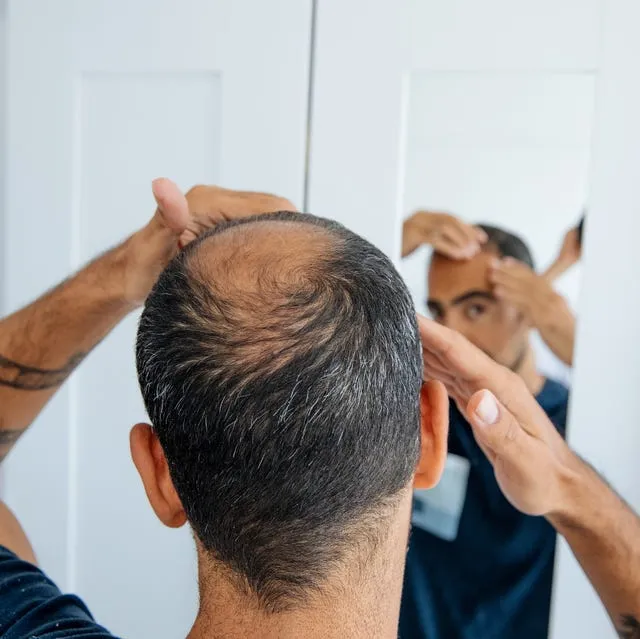
Hair loss today is more than just a change in appearance. For many people, it affects confidence, self-esteem, and how they feel about themselves every day. Whether it starts with slow thinning, increased hair fall while combing or washing, or visible scalp patches, noticing these changes often brings worry and questions. One question comes up again and again: Is it possible for hair to grow back? This is where hair regrowth treatment enters the discussion.
With progress in dermatology and medical science, hair restoration is no longer about temporary solutions or trial-and-error methods. Modern approaches focus on understanding the real cause of hair loss and treating it at the root, rather than simply hiding the problem. In this blog, we’ll break down what hair regrowth treatment actually involves, how it works, and what kind of results you can realistically expect over time.
What Is Hair Regrowth Treatment?
This treatment includes medical procedures and expert-led therapies that help weak or inactive hair follicles become active again and support the natural process of hair growth. Unlike basic hair fall solutions that mainly focus on reducing hair shedding, this approach works toward improving overall hair thickness, scalp health, and hair strength gradually.
These treatments are usually suggested when hair follicles are still present but are not working at their best. With proper clinical care, the right nutrients, and professional guidance, dormant follicles can start producing healthier and stronger hair again. It’s also important to understand that hair regrowth treatment is not the same for everyone. Each plan is customised based on factors such as the scalp condition, type of hair loss, age, lifestyle habits, and medical background to ensure the most effective and safe results.
How Hair Regrowth Treatment Works (Step-by-Step)
Hair loss is not always permanent. In many situations, hair follicles are still present beneath the scalp but become weak or inactive over time. Modern hair treatment methods are designed to support these follicles and help them return to normal function through a well-planned and step-by-step process.
Reactivating Weak or Dormant Hair Follicles
The first step focuses on hair follicles that have slowed down or stopped producing healthy hair. These follicles often become inactive because of poor blood circulation, lack of proper nutrition, hormonal changes, or long-term stress. Instead of trying to create new follicles, regrowth-focused therapies work on reviving the existing ones.
By improving the overall scalp environment with medical support, follicles receive the stimulation they need to restart hair production. With the right care, they slowly move from an inactive state toward healthy hair growth again.
Improving Blood Circulation and Nutrient supply.
Healthy hair growth depends greatly on good blood circulation in the scalp. Blood carries oxygen, vitamins, minerals, and essential nutrients to the hair roots. When circulation is weak, follicles do not receive enough nourishment, causing hair to become thin and fragile.
Hair restoration therapies help improve blood flow in the scalp, allowing nutrients to reach the hair roots more effectively. This improved nourishment strengthens the follicles, supports thicker hair strands, and creates a healthier scalp environment. Over time, hair fall reduces and overall hair quality improves.
Stimulating the Active Hair Growth Phase
Hair grows in natural cycles, and the anagen phase is the stage where active growth takes place. In many cases of hair loss, follicles remain stuck in the resting phase for too long, preventing new hair from growing. Regrowth-focused therapies aim to encourage these follicles to re-enter the active growth phase.
These treatments help the growth phase last longer by keeping the scalp healthy and the cells active. Gradually, this leads to better hair density and stronger strands. Since hair growth takes time, consistency and patience are key to seeing visible results.
Addressing Internal Factors That Affect Hair Growth
Taking care of the scalp from the outside is often not enough on its own. Doctors also look closely at internal factors such as hormonal imbalances, lack of essential nutrients, and ongoing stress. Even with proper external treatment, these issues can quietly slow down or stop hair growth.
A well-planned approach to hair regrowth focuses on identifying and addressing these internal causes along with scalp care. Supporting both the body’s internal health and the scalp increases the likelihood of long-lasting improvement, as opposed to temporary or short-term results.
Common Causes of Hair Loss That May Need Regrowth Support
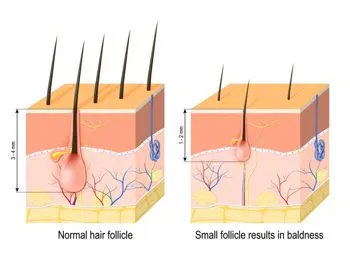
Hair loss usually does not happen because of just one reason. In most people, several factors work together and gradually weaken the hair, which is why a professional evaluation is important before starting any treatment.
Common contributing factors include:
- Genetic or pattern-related hair thinning
- Hormonal changes or imbalances
- Long-term stress and lifestyle imbalance
- Nutritional deficiencies, such as low iron or protein levels.
- Hair falls off after illness or due to medical conditions.
Finding the exact root cause helps in deciding whether hair regrowth treatment is suitable and which treatment approach will give the best results.
Types of Hair Regrowth Solutions Available
Today, there are several clinically approved solutions available to treat different stages and patterns of hair loss. Rather than depending on just one method, dermatologists often suggest a combination approach to achieve better and more balanced results.
Common options include:
- PRP-based scalp therapy
- Doctor-prescribed medical treatments
- Non-surgical scalp stimulation procedures
- Personalised treatment plans using multiple techniques.
The most suitable approach depends on the condition of the scalp, the level of hair thinning, and how an individual responds to treatment. A professional diagnosis helps ensure that the treatment plan is safe, ethical, and focused on achieving effective, long-term results.
Who Is the Ideal Candidate?
Hair restoration methods usually give the best results when they are started early. People who notice mild to moderate thinning or a gradual loss of hair volume often respond better compared to those who have advanced hair loss or bald patches.
Individuals who still have active hair follicles but see weaker hair strands or widening areas on the scalp are often good candidates for treatment. At the same time, it’s important to understand that hair regrowth treatment may not be suitable for everyone. A clear and honest evaluation by a qualified professional helps set realistic expectations and prevents unnecessary treatments or disappointment later on.
What Results Can You Expect?
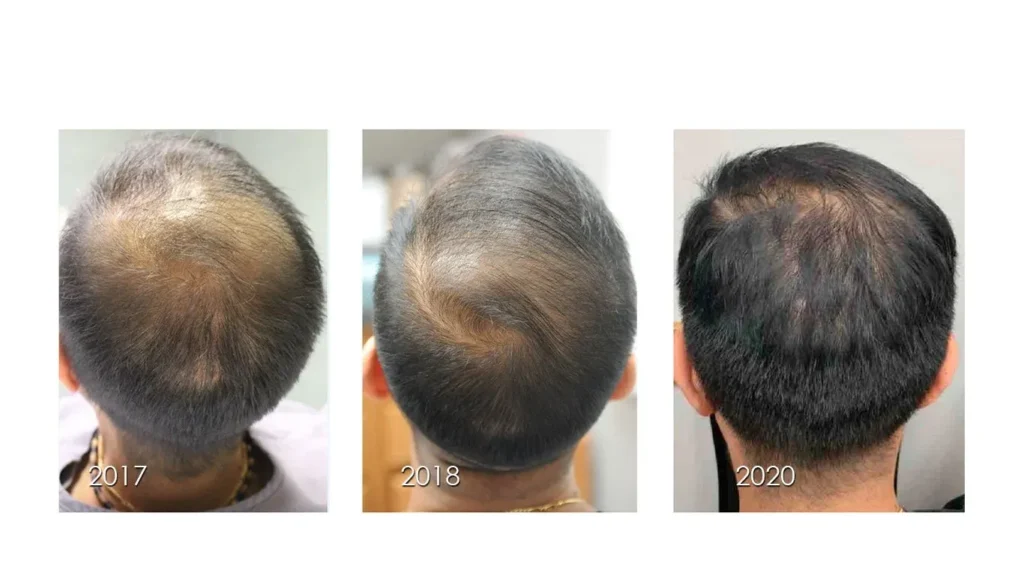
One of the most important parts of any plan for hair regrowth is having realistic expectations. Hair growth is a natural biological process, and it does not happen overnight. In most cases, people first notice a reduction in hair fall, followed by slow and steady improvement in hair texture and thickness.
Visible results depend on how consistent the treatment is, the type of therapy chosen, and how the individual scalp responds. Individuals may experience varying results, and sustained improvements may require ongoing maintenance. Ethical professionals always explain these differences and avoid making unrealistic or guaranteed claims.
Is Hair Regrowth Treatment Safe?
When carried out under professional supervision, hair regrowth treatment is generally safe. Most modern procedures are minimally invasive and are designed to work along with the body’s natural healing and growth processes.
In some cases, temporary effects such as mild scalp sensitivity or slight redness may be noticed, but serious complications are uncommon when treatments are performed by trained specialists. Proper scalp assessment, upholding hygiene standards, and adhering to recommended post-treatment care instructions are crucial for overall safety.
Hair Regrowth Treatment vs Hair Transplant
Many people often mix up non-surgical hair regrowth solutions with hair transplantation, even though they serve different purposes. Regrowth-focused treatments work by strengthening existing hair follicles and encouraging natural hair growth, while hair transplants involve surgically moving follicles to areas where hair no longer grows on its own.
Non-surgical options usually have minimal downtime and are commonly chosen during the early or moderate stages of hair loss. Hair transplants are generally considered at a later stage. Deciding which option is right should always be done with the help of a qualified expert rather than self-diagnosis.
Myths and Facts About Hair Regrowth Treatment
Misinformation can lead to unrealistic expectations about hair treatments. A common myth is that one session is enough to bring back full hair growth, which is not true. Another misunderstanding is that these procedures are extremely painful or unsafe, even though they are generally comfortable and safe when done properly.
Knowing the facts instead of believing the hype helps people make better decisions. It allows individuals to choose treatments based on correct information rather than following online trends or unverified advice.
Why Professional Diagnosis Matters
Hair loss can look the same, but its causes vary by person. This is why a professional diagnosis plays an important role in the success of hair regrowth treatment. A detailed scalp analysis helps identify the exact cause of hair loss and allows specialists to create a treatment plan that is tailored to individual needs.
Expert evaluation also helps avoid unnecessary procedures and focuses on maintaining long-term scalp and hair health, rather than offering short-term or purely cosmetic solutions.
Final Thoughts
Hair regrowth treatment provides a medically guided and reliable option for people dealing with early-stage hair thinning and gradual loss of hair density. When started at the right time and planned under the guidance of experienced professionals, it can help improve hair strength, overall hair quality, and scalp health while also restoring confidence over the long term. Instead of relying on temporary fixes, a structured treatment approach focuses on addressing the real causes of hair loss and supporting natural regrowth.
If you are noticing early signs of thinning, excessive hair fall, or changes in hair volume, consulting an expert sooner rather than later can make a real difference in your results. A personalised consultation helps identify the root cause and the best treatment plan for your needs. Book your consultation with Blissdrbabariya today and take the first step toward healthier, stronger hair with professional care and guidance you can trust.