
Table of Contents
Introduction
Choosing the right scalp treatment for dandruff is not just about clearing away flakes. It starts with understanding your hair type, your scalp’s condition, and the ingredients that actually target the root cause. Dandruff doesn’t look the same for everyone, and a remedy that works for oily hair may not work for someone with dry, curly, or chemically treated hair. Even if a product works well for a friend, it may not give you the same results because every scalp has its own biology and balance.
This guide breaks down a simple, expert-backed way to identify the right scalp treatment based on your unique hair type. With the right approach, you can manage dandruff more effectively and build a scalp care routine that supports long-term health, comfort, and confidence.
Why Hair Type Matters in Choosing a Scalp Treatment for Dandruff
Many people keep changing shampoos and hair products but still don’t get long-term relief because they overlook one simple but crucial factor: their hair type. Knowing what type of hair you have completely changes the way you choose treatments. Oily hair collects sebum and dirt faster, which can make dandruff more persistent. Dry hair does not produce enough natural oils, causing flakes that often look like dandruff. Curly hair needs extra moisture, while chemically treated hair requires mild, nourishing formulas to avoid irritation.
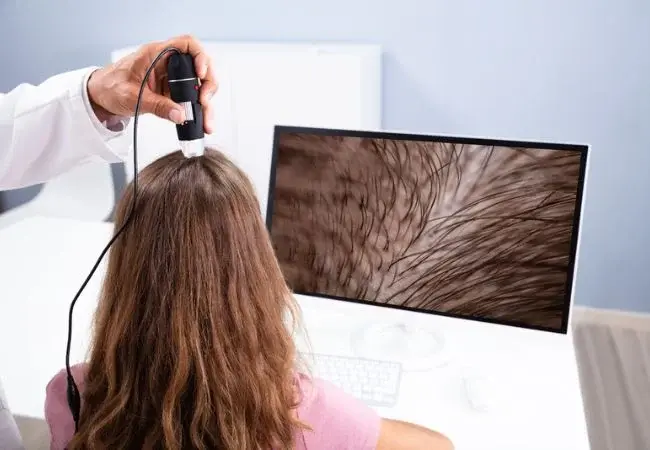
When you use a treatment that matches your exact hair type, dandruff reduces much faster, your scalp feels calmer, and the results stay consistent. This is why dermatologists always start with a detailed scalp and hair analysis before suggesting any product. A personalized approach makes sure the treatment works with your hair’s natural needs, not against them.
What Causes Dandruff? An Expert Breakdown
Dandruff is not just a cosmetic problem; it is a real scalp issue that can happen for many different reasons. One of the biggest triggers is the overgrowth of a natural yeast called Malassezia, which lives on your scalp and feeds on its natural oils. When this yeast grows too much, it disturbs the scalp’s protective barrier, leading to irritation, itching, and faster shedding of skin cells, which appear as flakes.
Other factors also play a major role, such as excessive oiliness, extreme dryness, buildup from hair products, changes in weather, and even high stress. Many people notice that their dandruff becomes worse in winter when the air is dry. In some cases, dandruff is connected to skin conditions like seborrheic dermatitis.
When you understand what is actually causing your dandruff, choosing the right treatment becomes easier. Instead of just clearing visible flakes, an effective scalp treatment for dandruff should soothe inflammation, balance oil or dryness, and restore the scalp’s natural ecosystem. This science-backed approach helps you achieve long-lasting, meaningful relief.
How Hair Type Affects Scalp Health
Every hair type affects scalp health differently, which is why dandruff doesn’t look or feel the same for everyone. If you have oily hair, your scalp tends to attract more dirt, sweat, and pollutants. This creates the perfect environment for dandruff-causing microbes to grow. On the other hand, dry hair lacks enough natural moisture, leading to white, flaky patches that often resemble dandruff.
Curly hair faces its own challenges. Because of its texture, natural oils cannot travel smoothly from the scalp to the ends, leaving the scalp dry and more likely to get irritated. Chemically treated hair whether coloured, rebonded, or smoothened loses some of its natural protection. As a result, the scalp becomes more sensitive, and strong anti-dandruff products may cause more dryness instead of relief.
Once you understand these differences and choose a scalp treatment that fits your specific hair type, you not only see dandruff reduce faster but also notice healthier, shinier, and stronger hair overall.
Scalp Treatment for Dandruff in Oily Hair
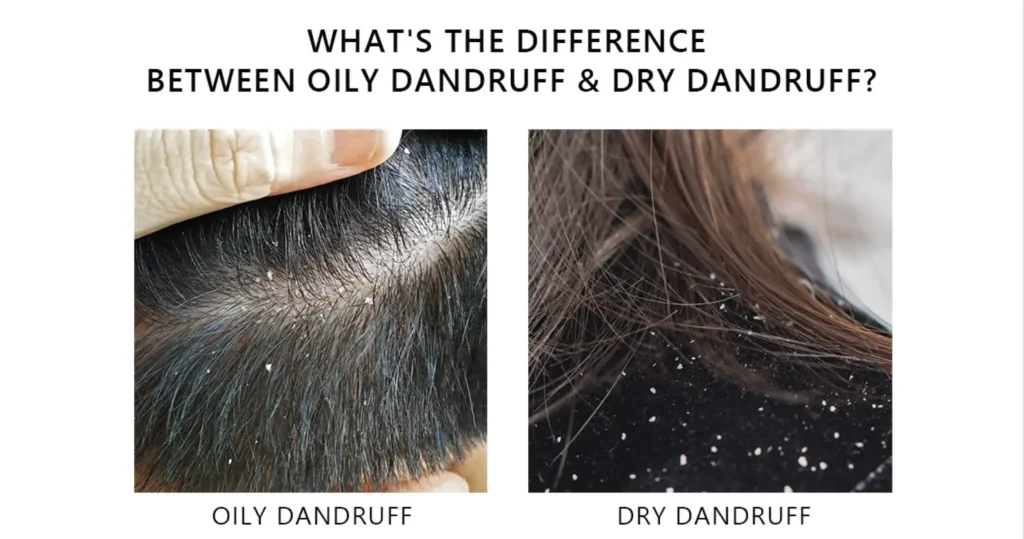
Oily hair is one of the biggest reasons dandruff keeps coming back. When your scalp produces too much oil, it mixes with dead skin cells and dirt, forming thick flakes that are hard to ignore. The key to managing this is choosing the right ingredients that clean the scalp properly while keeping oil levels balanced.
For oily hair, an effective scalp treatment for dandruff usually includes ingredients like salicylic acid, which gently exfoliates the scalp and clears excess sebum. Zinc pyrithione and ketoconazole are also commonly recommended because they help control the yeast that triggers dandruff. With regular use, these ingredients reduce oiliness, prevent pore blockage, and calm irritation.
People with oily hair should also avoid applying heavy conditioners to the scalp. Instead, choose lightweight, non-greasy formulas and apply them only to the lengths and ends. This helps keep the scalp fresh, clean, and less prone to dandruff buildup.
Scalp Treatment for Dandruff in Dry Hair
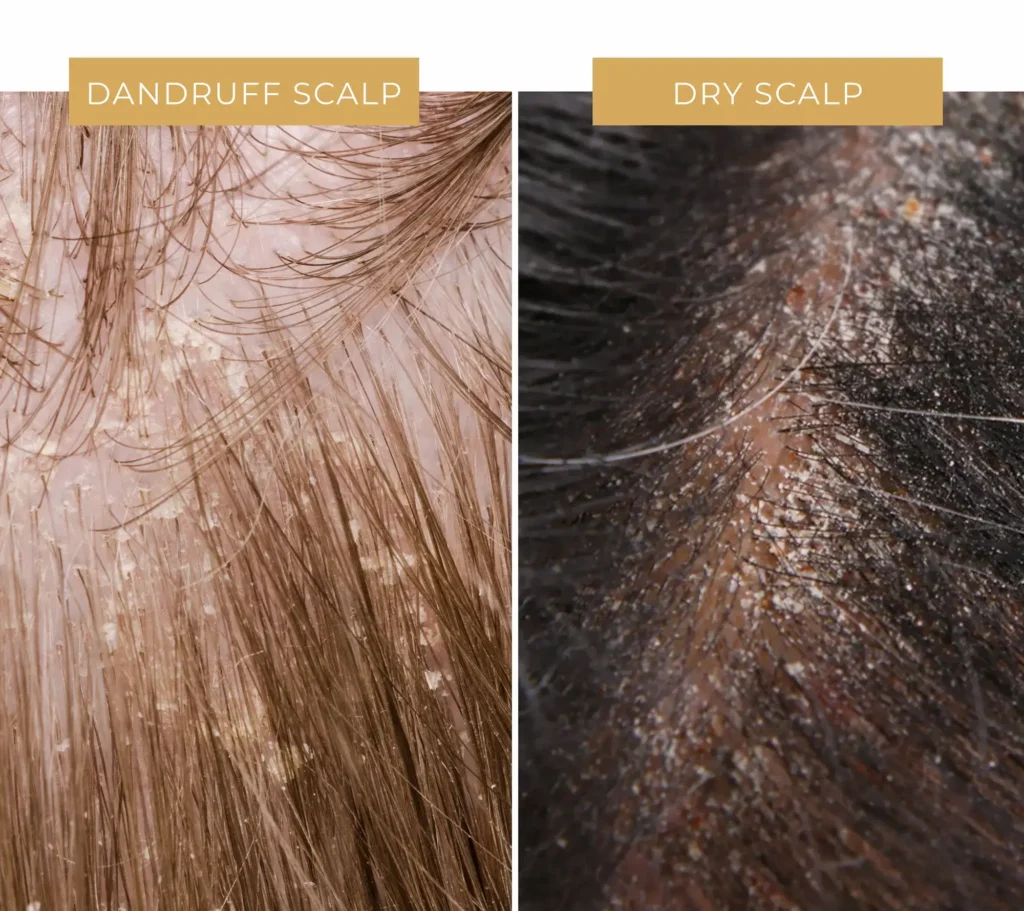
Dry hair needs a gentle, moisture-focused approach, because harsh shampoos or strong cleansers can strip away the little natural oil your scalp already has. When treating dandruff on a dry scalp, the focus should be on soothing and hydrating ingredients. Aloe vera, glycerin, and tea tree oil help calm irritation, restore moisture, and still work effectively on flakes.
Using a moisturizing anti-dandruff shampoo two to three times a week, along with a light scalp massage, helps improve circulation and allows natural oils to spread more evenly. Limiting heat styling and adding a hydrating leave-in product can also make a noticeable difference. With consistent care, dryness-related flakes reduce significantly, and the scalp starts to feel more nourished, comfortable, and balanced.
Scalp Treatment for Dandruff in Curly or Textured Hair
Curly and textured hair tends to be drier, which makes managing dandruff a bit more challenging. Many regular anti-dandruff shampoos contain strong cleansing agents that can strip away the moisture curls need to stay healthy. A better approach is to use sulphate-free shampoos, hydrating scalp serums, and gentle exfoliating treatments.
People with curly hair get the best results by incorporating lightweight, moisture-retaining products into their routine. Using a hydrating mask occasionally keeps the hair soft, while gentle weekly scalp exfoliation prevents buildup and flakes. By caring for curly hair in a way that respects its natural texture, you can keep the scalp nourished and healthy while effectively controlling dandruff.
Scalp Treatment for Dandruff in Chemically Treated or Coloured Hair
Chemically treated or coloured hair requires extra care because it is more prone to dryness, damage, and irritation. Many regular anti-dandruff shampoos contain ingredients that can fade colour or weaken treated strands, so choosing a colour-safe formula is crucial.
Ingredients like pyrithione zinc or tea tree oil help control dandruff without affecting your hair colour or strength. Using a pH-balanced shampoo is also important, as it helps maintain the natural balance of both scalp and hair. When these shampoos are combined with nourishing masks or conditioners made for chemically treated hair, dandruff gradually decreases while your hair stays healthy, vibrant, and strong.
Key Ingredients That Work Best in Scalp Treatment for Dandruff
Some of the most effective ingredients for treating dandruff, as recommended by dermatologists, include
- Salicylic Acid: Gently exfoliates the scalp, removing dead skin cells and buildup.
- Ketoconazole: A strong antifungal ingredient that works well for severe dandruff and yeast-related scalp issues.
- Zinc Pyrithione: Helps control fungal growth, reduces itching, and soothes irritation.
These ingredients have been clinically proven to work and are widely trusted in scalp treatment products around the world for delivering noticeable, long-lasting results.
Home Remedies vs. Medical Treatments: Which Should You Choose?
Home remedies can be useful for mild dandruff, especially when it’s caused by temporary dryness or changes in the environment. Natural ingredients like aloe vera gel, diluted apple cider vinegar, or coconut oil can soothe the scalp and provide gentle relief. However, these remedies may not always address the underlying fungal imbalance or persistent flaking.
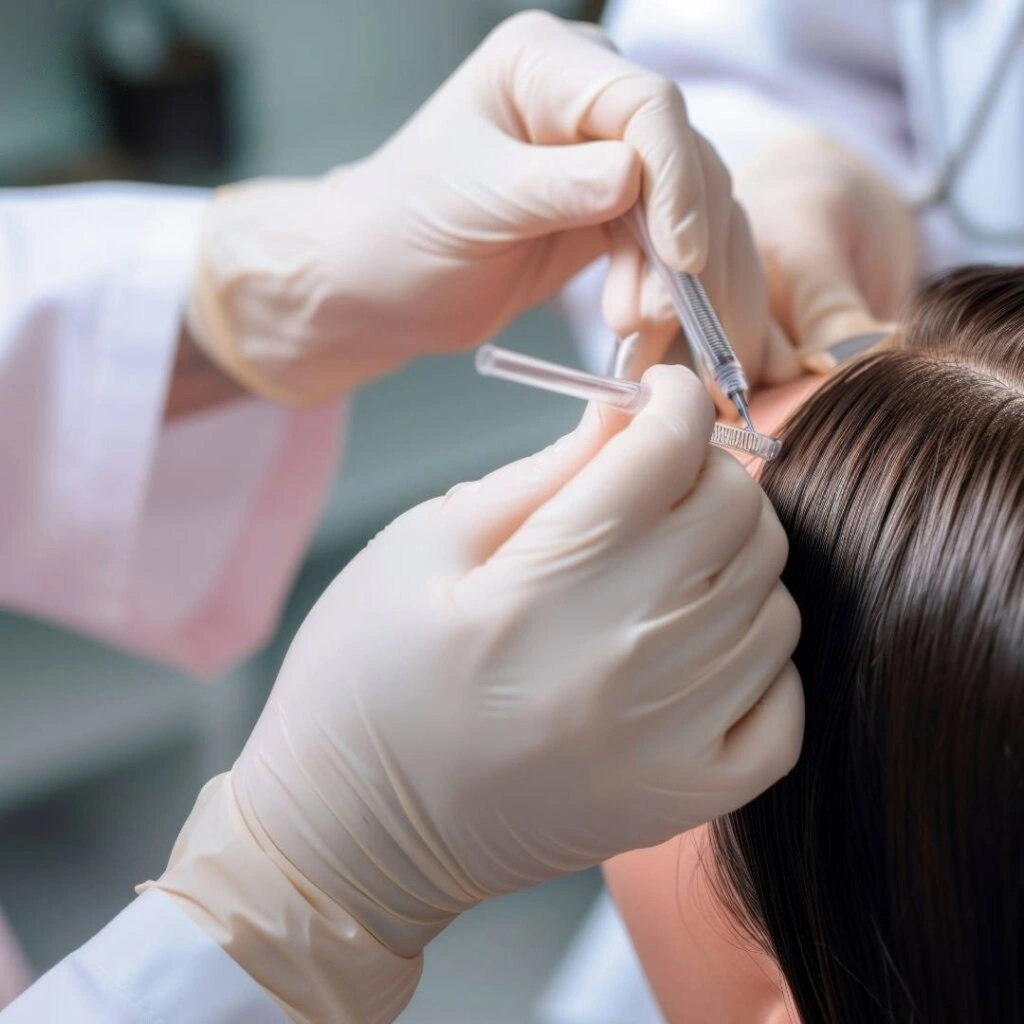
Medical treatments, on the other hand, contain ingredients that are scientifically proven to target the root causes of dandruff. Shampoos and serums with these active compounds are designed to deliver long-lasting results, especially for moderate to severe dandruff.
The best approach depends on how your scalp responds. For many people, combining gentle home remedies with dermatologist-recommended products provides a balanced, effective way to manage dandruff while keeping the scalp healthy.
How to Create a Personalized Scalp Care Routine
Step 1: Identify Your Hair Type
Step 2: Choose the Right Active Ingredient
Step 3: Wash Regularly but Don’t Overdo It
Step 4: Massage the Scalp Gently
Step 5: Rinse Thoroughly
Step 6: Add a Weekly Scalp Treatment
Step 7: Limit Heavy Styling Products
Step 8: Condition Smartly
Step 9: Monitor and Adjust Your Routine
When to Consult a Dermatologist
Conclusion
Finding the right scalp treatment for dandruff becomes much easier once you understand your hair type, know what’s causing the problem, and choose ingredients that are proven to work. Whether your hair is oily, dry, curly, or chemically treated, there is a treatment approach that can be tailored to your needs. With the right routine and consistent care, keeping your scalp healthy and dandruff-free is not only possible it’s sustainable.
For expert guidance, advanced scalp treatments, and dermatologist-approved solutions, you can learn more at Bliss Dr. Babariya. A healthy scalp leads to healthier hair, making proper care an investment in both comfort and confidence.