
Table of Contents
Introduction
Healthy, youthful skin is something everyone wants, but today’s environment, stress, and lifestyle habits can make it difficult to maintain. Exposure to pollution, the sun, and changes in diet can cause early signs of aging, dullness, and other skin issues. This is where skin rejuvenation treatments become important. These treatments are designed to restore your skin’s vitality, improve texture, and tackle multiple concerns at once. However, not every treatment suits every skin type, and choosing the wrong one can cause irritation, poor results, or even skin damage.
In this guide, we’ll help you understand how to choose the right skin rejuvenation treatment for your skin type, keeping safety, effectiveness, and long-term results in mind.
Understanding Different Skin Types
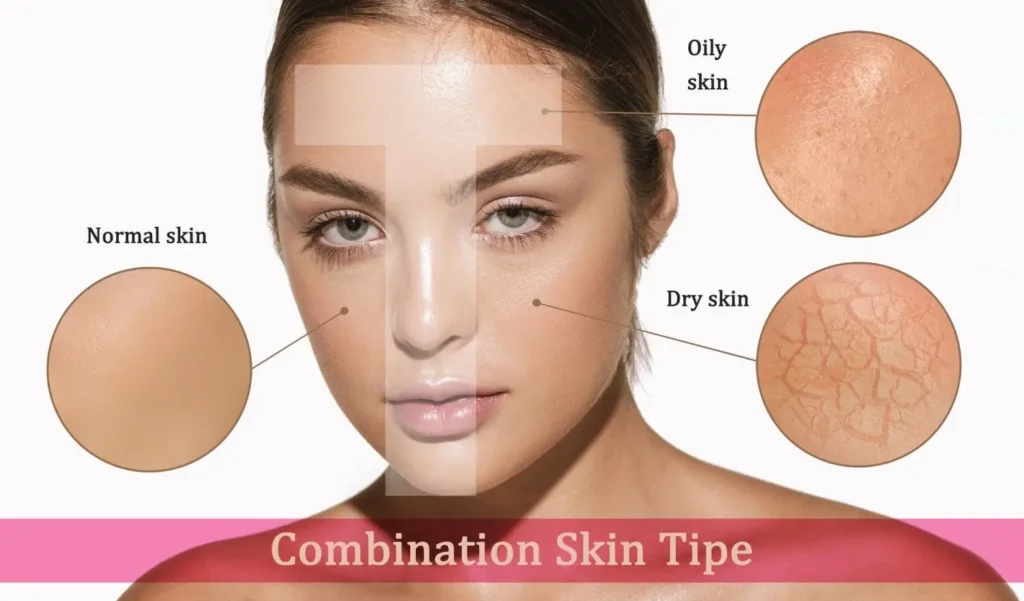
Before exploring treatments, it’s important to know your skin type. Understanding whether your skin is oily, dry, combination, sensitive, or mature helps you choose a treatment that works with your skin’s natural characteristics.
- Oily Skin: Produces extra sebum and is prone to breakouts, blackheads, and enlarged pores. Aggressive treatments can increase oil production or cause inflammation.
- Dry Skin: Lacks natural moisture, leading to flakiness, irritation, and dullness. Strong chemicals or harsh peels may make dryness worse.
- Combination Skin: Oily in the T-zone but dry or normal on the cheeks. Treatments should balance hydration while controlling oil.
- Sensitive Skin: Easily develops redness, itching, or irritation. Only gentle, dermatologist-approved treatments are suitable.
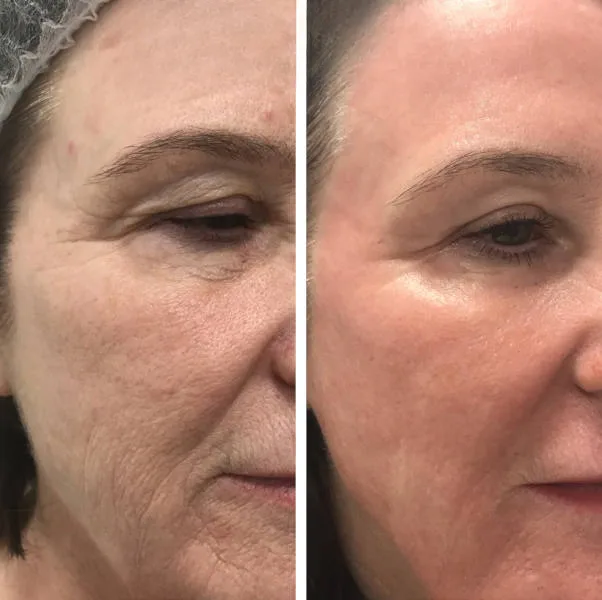
- Mature/Aging Skin: Shows fine lines, wrinkles, sagging, and pigmentation. Needs treatments that boost collagen and elasticity without causing trauma.
Identifying your skin type first helps narrow down treatment options and avoids procedures that could worsen your skin’s condition.
Common Skin Rejuvenation Treatments in India
Facials (Hydrafacial, Medifacial)
Chemical Peels
Laser Treatments (Laser Toning, Q-Switched Laser)
Microneedling & PRP Therapy
Anti-Aging Solutions (Botox, Fillers, RF Skin Tightening)
Brightening Treatments
How Skin Type Influences Treatment Selection
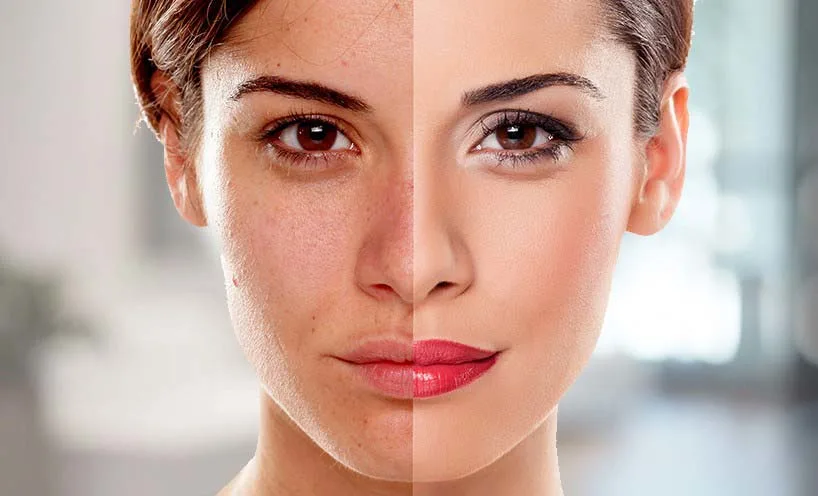
Choosing a skin rejuvenation treatment without taking your skin type into account can cause unwanted effects. Here’s how different skin types respond to various treatments:
- Oily Skin: Treatments should aim to control excess sebum, prevent clogged pores, and reduce pigmentation. Options like carbon facials, acne laser treatments, and mild chemical peels are ideal. Heavy hydrating facials may worsen oiliness.
- Dry Skin: Needs gentle, hydration-focused procedures. Hydrafacials, oxygen facials, and mild peels help restore moisture without stripping essential oils. Aggressive peels or strong laser treatments should be avoided, as they can worsen dryness.
- Combination Skin: Requires a balanced approach. Mild chemical peels, laser toning, and LED therapy work well to manage oiliness in the T-zone while hydrating the drier areas on the cheeks.
- Sensitive Skin: Opt for soothing, low-intensity treatments. Medifacials, hydration therapy, and gentle peels such as lactic acid are preferable. Strong lasers or high-concentration peels should only be used if recommended by a dermatologist.
- Mature Skin: Focus on collagen-boosting and anti-aging treatments. PRP, RF skin tightening, microneedling, and fillers help reduce wrinkles, sagging, and loss of elasticity. Light chemical peels can improve texture and tone without causing irritation.
Key Factors to Consider Before Choosing a Treatment
Even after identifying your skin type, several other factors play a vital role in choosing the most suitable skin rejuvenation treatment. Considering these aspects ensures that your procedure is safe, effective, and delivers the results you want.
Key factors to keep in mind:
- Skin Sensitivity & Allergies: Be aware of any reactions to skincare products or specific ingredients. Consulting a dermatologist or performing a patch test is highly recommended.
- Age & Lifestyle: Younger skin may only need hydration or mild resurfacing treatments, while aging skin could benefit more from anti-aging procedures. Stress, sleep habits, and diet also influence how well treatments work.
- Existing Skin Concerns: Issues like acne, pigmentation, dullness, or early wrinkles require targeted treatments. A generic approach often fails to deliver noticeable results.
- Sun Exposure: Regular exposure to sunlight can increase pigmentation and affect the healing process after treatment. Proper sun protection before and after procedures is essential.
By keeping these factors in mind, you can choose a skin rejuvenation treatment that not only suits your skin type but also addresses your unique concerns safely and effectively.
The Role of a Dermatologist in Personalized Skin Rejuvenation
A professional dermatologist is essential for getting the best results from a skin rejuvenation treatment. While home remedies and over-the-counter products may help superficially, expert care ensures your skin receives safe and precise treatment. A dermatologist examines your skin type, texture, and any existing issues before suggesting treatments that are clinically proven to work.
They tailor each procedure to match your skin’s tolerance, your goals, and the results you want, while monitoring progress to make necessary adjustments. Consulting a certified dermatologist reduces the risk of irritation and helps achieve faster, more effective outcomes.
Moreover, dermatologists can combine multiple treatments in a smart way to create synergistic effects, offering a well-rounded approach that maximizes the benefits of skin rejuvenation.
Pre-Treatment and Post-Treatment Care
Pre-Treatment Care
Post-Treatment Care
Post-treatment care is just as important as the procedure itself, as it helps your skin heal properly and maintain the benefits of the treatment. After a session, your skin can be more sensitive, so applying sunscreen diligently is essential to protect it from UV damage. Using gentle, hydrating skincare products while avoiding harsh scrubs or exfoliators for a few days will prevent irritation and support recovery.
It’s also wise to avoid heat exposure, such as saunas, steam, or intense workouts, immediately after the treatment. Staying well-hydrated and following any specific instructions from your dermatologist further aids healing and ensures you get the best results from your skin rejuvenation treatment. Consistent aftercare not only prolongs the effects but also keeps your skin healthy, radiant, and refreshed.
Achieving Long-Term Results with Skin Rejuvenation Treatments
Professional treatments alone are not enough. To achieve sustainable results, combine them with a healthy skincare routine, sun protection, hydration, and a balanced diet. Regular maintenance sessions recommended by your dermatologist help maintain the skin’s youthful texture, prevent new pigmentation, and reduce the recurrence of acne or dullness.
By aligning your skin rejuvenation treatment with your skin type and following expert guidance, you can restore glow, reduce imperfections, and enhance overall skin health safely and effectively.
Conclusion
Choosing the right skin rejuvenation treatment is not about following trends, but about understanding your skin type, identifying your concerns, and setting realistic expectations. When these choices are guided by a certified dermatologist, the results are safer, more effective, and long-lasting.
Whether your goal is to reduce acne, correct pigmentation, restore hydration, or slow early signs of aging, a personalized skin rejuvenation treatment plan delivers the best outcomes. When combined with proper pre- and post-treatment care and a consistent daily skincare routine, professional treatments can truly transform your skin—making it healthier, radiant, and youthful.
For expert guidance, advanced technology, and customized skin rejuvenation treatment solutions, book your consultation with Bliss Dr. Babariya today and take the first step toward glowing, confident skin that lasts for years.